
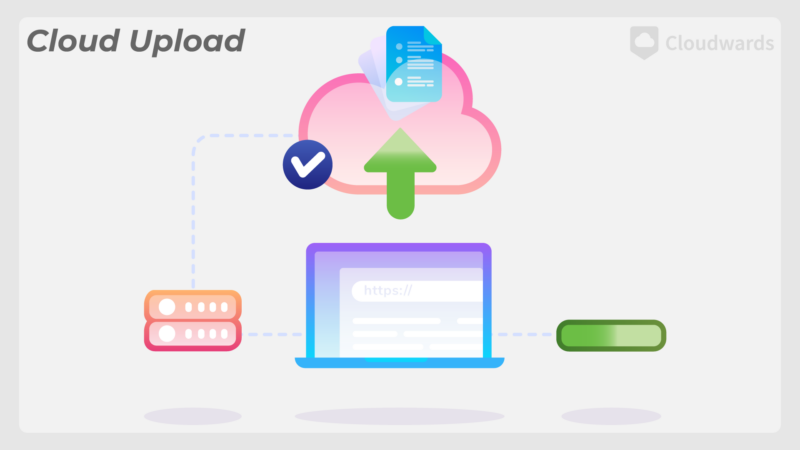
In today’s digital age, the need for efficient and reliable storage solutions has never been greater. With the rise of big data and the increasing demand for anytime, anywhere access to files, cloud storage has become the go-to choice for individuals and businesses alike. But how exactly does cloud storage work, and which service should you be using? In this article, we’ll break down the basics of cloud storage and explore some of the top options available on the market today.
Cloud Computing
Top Cloud Platforms Compared: AWS vs Azure vs Google Cloud
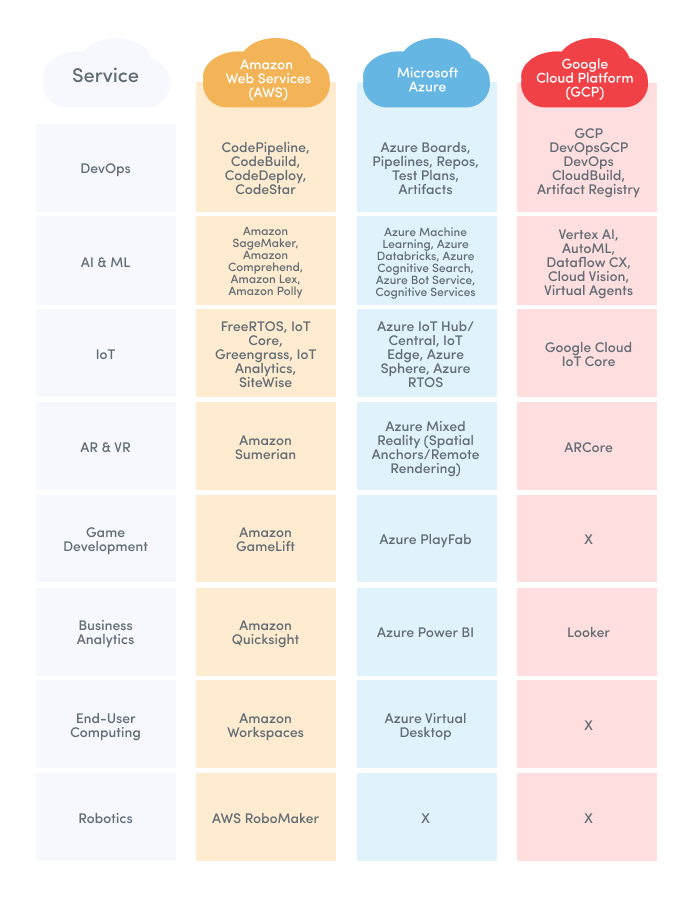
In today’s digital age, businesses are increasingly relying on cloud platforms to store, manage, and analyze their data. The three major players in the cloud computing industry are Amazon Web Services (AWS), Microsoft Azure, and Google Cloud Platform. Each platform offers a unique set of features and benefits, making it essential for businesses to compare and contrast their offerings before making a decision. In this article, we will delve into the key differences between AWS, Azure, and Google Cloud, helping you determine which platform is best suited for your needs.
What Is Cloud Computing? Benefits and Uses
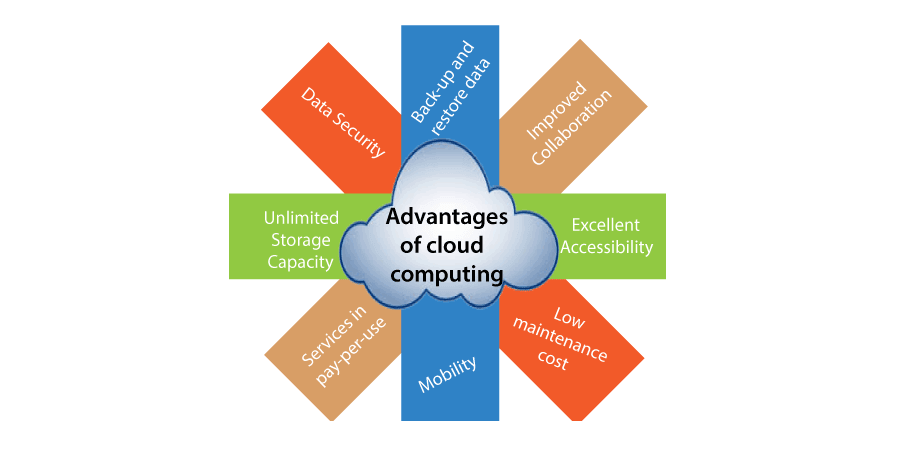
Cloud computing is a technology that has transformed the way businesses and individuals store, access, and manage data and applications. In simple terms, cloud computing refers to the delivery of computing services such as storage, databases, servers, and networking over the internet. Instead of storing data and running applications on a local server or personal computer, cloud computing allows users to access these resources from remote servers located in data centers around the world.
Pros and Cons of IoT Technology in Everyday Life
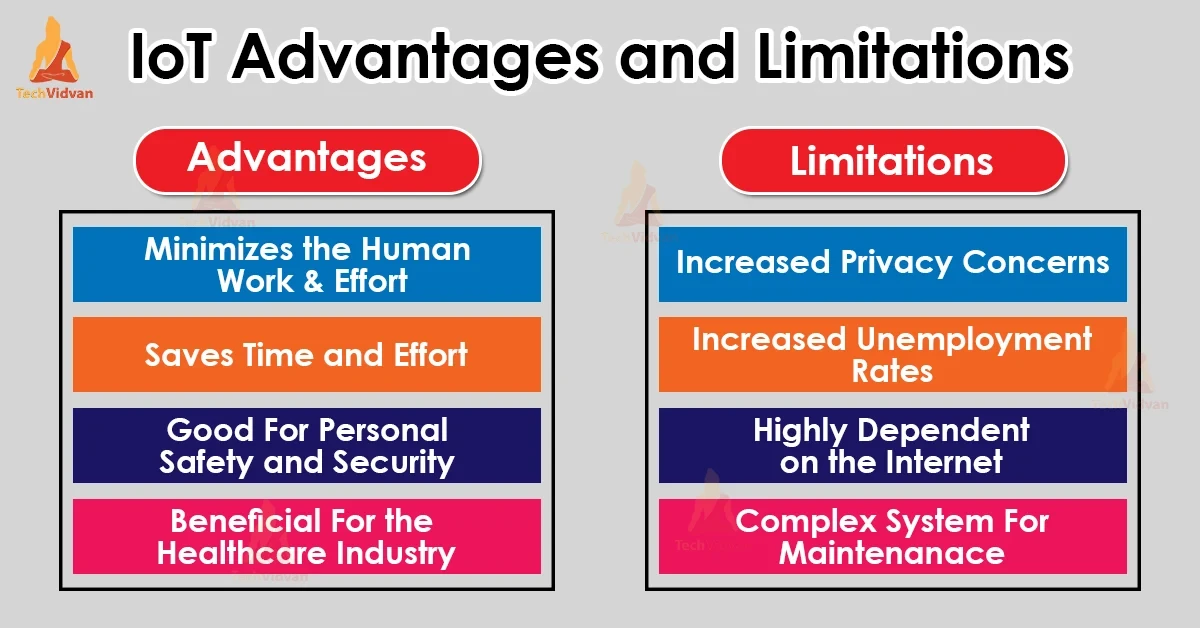
Internet of Things (IoT) technology has revolutionized the way we live, work, and play. From smart homes to connected cars, IoT has become an integral part of our daily lives. However, like any other technology, IoT comes with its own set of pros and cons. In this article, we will explore the advantages and disadvantages of IoT technology in everyday life.
What Are Industrial IoT (IIoT) Applications?
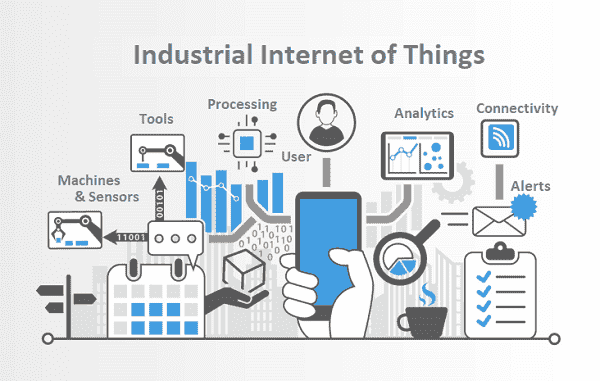
As the tech industry continues to advance at a rapid pace, one of the most significant developments in recent years has been the rise of Industrial Internet of Things (IIoT) applications. This cutting-edge technology is transforming the way businesses across various industries operate, offering a wide range of benefits and opportunities for efficiency, productivity, and cost savings.
IoT in Agriculture: Smart Farming in 2025
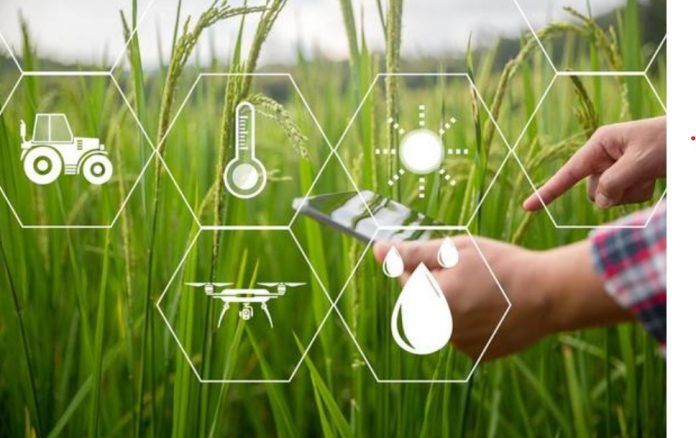
In the year 2025, the agricultural industry is set to undergo a major transformation with the widespread adoption of IoT technology. IoT, or the Internet of Things, has the potential to revolutionize farming practices and improve efficiency, productivity, and sustainability in agriculture. By connecting devices, sensors, and machinery to the internet, farmers can collect real-time data and make informed decisions to optimize their operations.
How IoT Works: Sensors, Data, and Communication Explained
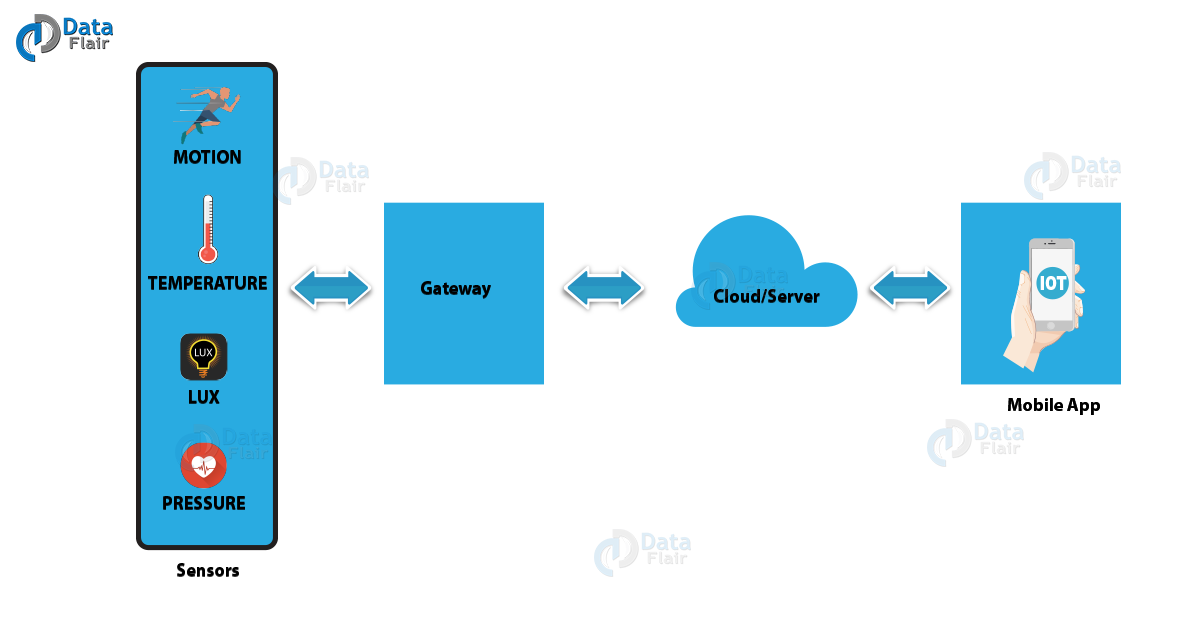
In today’s digital age, the Internet of Things (IoT) has become an integral part of our everyday lives. From smart homes to industrial automation, IoT technology is revolutionizing the way we live and work. But how exactly does IoT work? In this article, we will explore the three key components of IoT: sensors, data, and communication.