
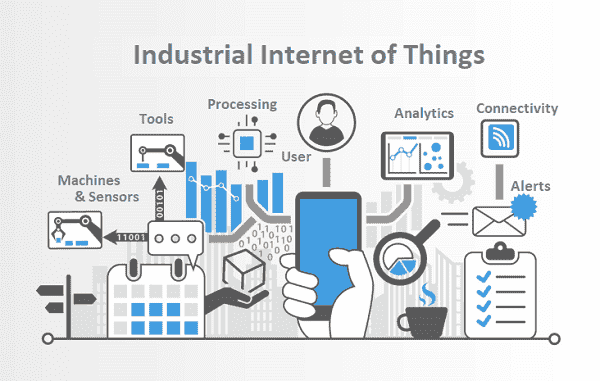
As the tech industry continues to advance at a rapid pace, one of the most significant developments in recent years has been the rise of Industrial Internet of Things (IIoT) applications. This cutting-edge technology is transforming the way businesses across various industries operate, offering a wide range of benefits and opportunities for efficiency, productivity, and cost savings.
What is Industrial IoT (IIoT)?
Industrial Internet of Things (IIoT) refers to the use of internet-connected devices and sensors in industrial environments to collect, analyze, and exchange data. This technology allows companies to monitor and control various aspects of their operations remotely, leading to more efficient processes and better decision-making.
Key Applications of Industrial IoT
There are countless applications for IIoT across different industries, each with the potential to revolutionize operations and drive business growth. Let’s explore some of the key areas where Industrial IoT is making a significant impact:
1. Asset Tracking and Management
IIoT enables businesses to track the location and condition of assets in real-time, improving inventory management, reducing loss, and optimizing resource allocation. By leveraging sensors and data analytics, companies can make informed decisions about equipment maintenance, replacement, and usage, leading to cost savings and increased efficiency.
2. Predictive Maintenance
Predictive maintenance is a critical application of IIoT that helps businesses anticipate equipment failures before they occur. By monitoring key performance indicators and analyzing data in real-time, companies can identify potential issues early on, schedule maintenance proactively, and prevent costly downtime. This proactive approach to maintenance can significantly extend the lifespan of equipment and reduce maintenance costs.
3. Supply Chain Management
IIoT plays a vital role in optimizing supply chain operations by providing real-time visibility into inventory levels, production processes, and transportation logistics. By connecting sensors and devices along the supply chain, businesses can track goods, monitor conditions, and identify potential bottlenecks or delays. This level of transparency and control allows companies to streamline their supply chain, minimize risks, and improve customer satisfaction.
4. Energy Management
Industrial IoT solutions are helping businesses monitor and manage energy consumption more effectively, leading to cost savings and sustainability benefits. By collecting data on energy usage, companies can identify inefficiencies, optimize energy consumption, and reduce their carbon footprint. IIoT applications also support the integration of renewable energy sources and the implementation of smart grids, further enhancing energy efficiency and environmental impact.
Challenges and Considerations
While Industrial IoT offers a wide range of benefits, adopting this technology also comes with its own set of challenges and considerations. These may include concerns about data security, interoperability issues, scalability requirements, and the need for skilled professionals to manage and analyze the vast amounts of data generated by IIoT devices.
Conclusion
Industrial Internet of Things (IIoT) applications are revolutionizing the way businesses operate by enabling real-time monitoring, data-driven decision-making, and optimized processes across various industries. By leveraging this cutting-edge technology, companies can improve efficiency, productivity, and competitiveness in an increasingly digital world. As IIoT continues to evolve, businesses that embrace and capitalize on its potential stand to gain substantial advantages and drive innovation in their respective fields.
Stay tuned for more insights and updates on the exciting world of Industrial IoT applications!