
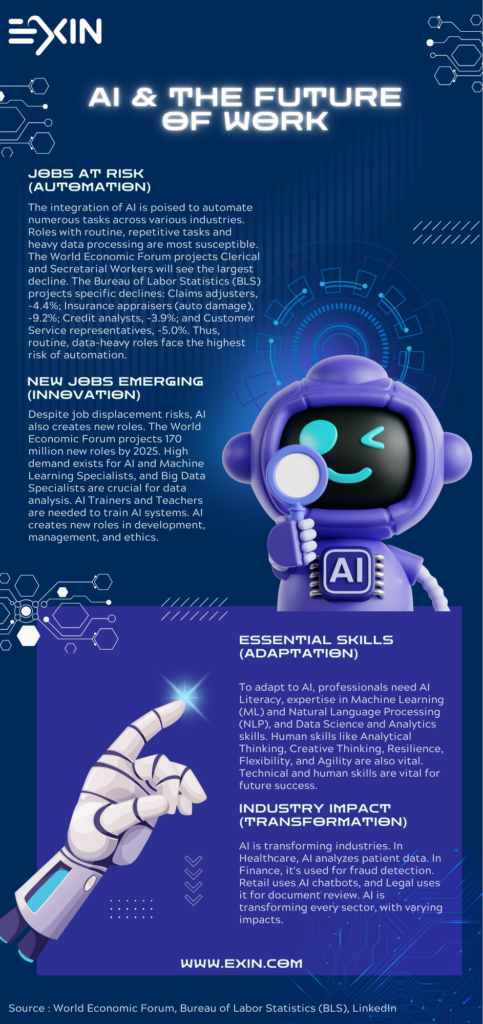
Artificial Intelligence (AI) has been revolutionizing various industries over the past few years, and its impact on the job market is no exception. By 2025, AI is expected to significantly change the way we work, from the types of jobs available to the skills required for success. In this article, we will explore how AI is shaping the job market and what you need to know to thrive in this new era.
The Rise of Automation
One of the most significant ways AI is changing the job market is through automation. Tasks that were previously done by humans are now being taken over by AI-powered systems and robots. This shift is leading to the displacement of workers in traditional roles, such as in manufacturing and customer service. However, it is also creating new opportunities in industries like data science, machine learning, and AI development.
Upskilling and Reskilling
To thrive in the AI-driven job market of 2025, individuals will need to upskill and reskill to stay competitive. The demand for workers with technical skills, such as coding, data analysis, and AI expertise, will continue to grow. Companies are investing in training programs to help their employees develop these skills, and individuals are taking online courses and attending boot camps to learn new technologies.
Remote Work and Gig Economy
AI is also changing the way we work by enabling remote work and contributing to the rise of the gig economy. As more tasks become automated, workers are no longer tied to a physical location and can collaborate with colleagues and clients from anywhere in the world. This flexibility is allowing individuals to take on multiple freelance gigs and create their own schedules, leading to a more diverse and dynamic job market.
The Role of AI in Recruitment
Recruitment processes are also being transformed by AI technologies. HR departments are using AI-powered tools to screen resumes, conduct interviews, and assess candidates’ skills. This automation is streamlining the hiring process and helping companies find the best candidates faster. However, there are concerns about bias in AI algorithms, which can lead to discrimination in recruitment if not properly addressed.
Ethical Considerations
As AI becomes more integrated into the job market, there are ethical considerations that need to be addressed. Issues such as data privacy, algorithmic bias, and job displacement need to be carefully managed to ensure that AI is used responsibly and does not harm individuals or communities. Companies and governments are working to create guidelines and regulations to govern the use of AI in the workplace.
Conclusion
In conclusion, AI is changing the job market in significant ways, from automation and upskilling to remote work and recruitment processes. To succeed in this new era, individuals will need to adapt to the changing landscape, acquire new skills, and embrace the opportunities that AI brings. By understanding the impact of AI on the job market in 2025 and preparing accordingly, you can position yourself for success in the evolving world of work.