
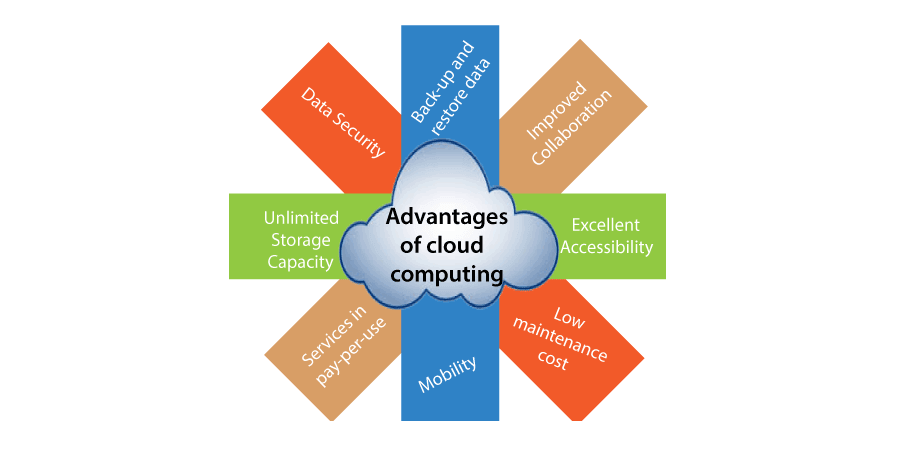
Cloud computing is a technology that has transformed the way businesses and individuals store, access, and manage data and applications. In simple terms, cloud computing refers to the delivery of computing services such as storage, databases, servers, and networking over the internet. Instead of storing data and running applications on a local server or personal computer, cloud computing allows users to access these resources from remote servers located in data centers around the world.
How Does Cloud Computing Work?
Cloud computing works by providing users with access to a shared pool of computing resources that are scalable and can be accessed on-demand. These resources are typically delivered via a pay-as-you-go model, allowing users to only pay for the resources they use. Cloud computing services are delivered through three main models:
1. Infrastructure as a Service (IaaS)
IaaS provides users with virtualized computing resources such as virtual machines, storage, and networking. This model allows users to deploy and manage their own operating systems and applications, while the cloud provider manages the underlying infrastructure.
2. Platform as a Service (PaaS)
PaaS provides users with a platform to develop, run, and manage applications without having to worry about the underlying infrastructure. This model allows developers to focus on building and deploying applications without the need to manage servers and hardware.
3. Software as a Service (SaaS)
SaaS delivers software applications over the internet on a subscription basis. Users can access these applications through a web browser without the need to install and maintain software on their devices. Popular examples of SaaS applications include Google Workspace, Microsoft Office 365, and Salesforce.
Benefits of Cloud Computing
There are numerous benefits of cloud computing for businesses and individuals, including:
1. Cost-Efficiency
Cloud computing eliminates the need for businesses to invest in expensive hardware and infrastructure. Instead, they can pay for the resources they use on a pay-as-you-go model, reducing capital expenditure and operational costs.
2. Scalability
Cloud computing allows businesses to scale their resources up or down based on their requirements. This flexibility ensures that businesses can meet the demands of fluctuating workloads without over-provisioning or underutilizing resources.
3. Accessibility
Cloud computing enables users to access their data and applications from any device with an internet connection. This accessibility allows businesses to support remote work and collaboration among team members located in different locations.
4. Security and Reliability
Cloud providers invest heavily in security measures to protect data and applications stored on their platforms. They also offer redundancy and failover mechanisms to ensure high availability and reliability of services.
Uses of Cloud Computing
Cloud computing is used across various industries and applications, including:
1. Data Storage and Backup
Businesses and individuals use cloud computing services to store and backup their data securely. Cloud storage solutions offer unlimited storage capacity, data redundancy, and automatic backups to protect against data loss.
2. Software Development and Testing
Developers use cloud computing platforms to build, test, and deploy applications without the need to manage hardware infrastructure. Cloud platforms provide development tools, application programming interfaces (APIs), and deployment environments to streamline the development process.
3. Big Data Analytics
Organizations use cloud computing to analyze large volumes of data and derive insights for decision-making. Cloud-based analytics platforms offer scalable computing resources and data processing capabilities to handle complex analytics workloads.
4. Internet of Things (IoT)
The proliferation of IoT devices has led to an increase in the adoption of cloud computing for managing and analyzing sensor data. Cloud platforms provide the scalability and processing power required to handle the massive amounts of data generated by IoT devices.
In conclusion, cloud computing has revolutionized the way data and applications are stored, accessed, and managed. With its numerous benefits and diverse uses, cloud computing has become an indispensable technology for businesses and individuals looking to leverage the power of the cloud.