
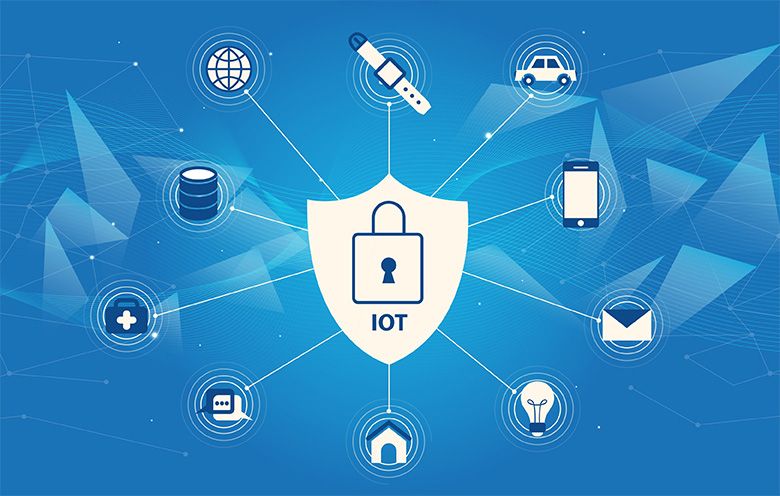
In today’s interconnected world, the Internet of Things (IoT) has become an integral part of our daily lives. From smart home devices to industrial sensors, IoT devices have revolutionized the way we live and work. However, with this connectivity comes a new set of security challenges. As more and more devices become connected to the internet, the risk of cyberattacks and data breaches has also increased. It is crucial to protect our IoT devices from potential security threats to ensure the safety and privacy of our personal information.
Understanding IoT Security Risks
IoT devices are vulnerable to various security risks due to their interconnected nature. Hackers can exploit weaknesses in these devices to gain unauthorized access to sensitive data or even control the device itself. Common security threats to IoT devices include:
1. Unauthorized Access: Hackers can gain access to IoT devices by exploiting weak passwords or unsecured connections.
2. Data Breaches: IoT devices often collect and transmit sensitive data, such as personal information or user behavior. A data breach could result in the exposure of this information to unauthorized parties.
3. Device Hijacking: Hackers can take control of IoT devices and use them for malicious purposes, such as launching DDoS attacks or spying on users.
4. Malware: Malicious software can infect IoT devices, causing them to malfunction or leak sensitive data.
Best Practices for IoT Security
To protect your IoT devices from security threats, follow these best practices:
1. Change Default Passwords: Many IoT devices come with default passwords that are easily guessable. Change these passwords to strong, unique ones to prevent unauthorized access.
2. Keep Software Updated: Regularly update the firmware and software of your IoT devices to patch any security vulnerabilities.
3. Secure Your Wi-Fi Network: Use strong encryption protocols, such as WPA2, to secure your Wi-Fi network and prevent unauthorized access to your IoT devices.
4. Disable Unnecessary Features: Disable any unnecessary features or services on your IoT devices to reduce the attack surface.
5. Use Firewalls and Antivirus Software: Install firewalls and antivirus software on your network to monitor and block any suspicious activity.
6. Encrypt Data: Use encryption protocols, such as HTTPS, to securely transmit data between your IoT devices and the cloud.
7. Enable Two-Factor Authentication: Enable two-factor authentication on your IoT devices to add an extra layer of security.
Conclusion
As IoT devices become more prevalent in our lives, it is crucial to prioritize security to protect our personal information and privacy. By following these best practices and staying informed about the latest security threats, you can safeguard your IoT devices from potential cyberattacks. Remember, the security of your devices is in your hands. Stay vigilant and proactive in securing your IoT devices to ensure a safe and secure connected environment.