
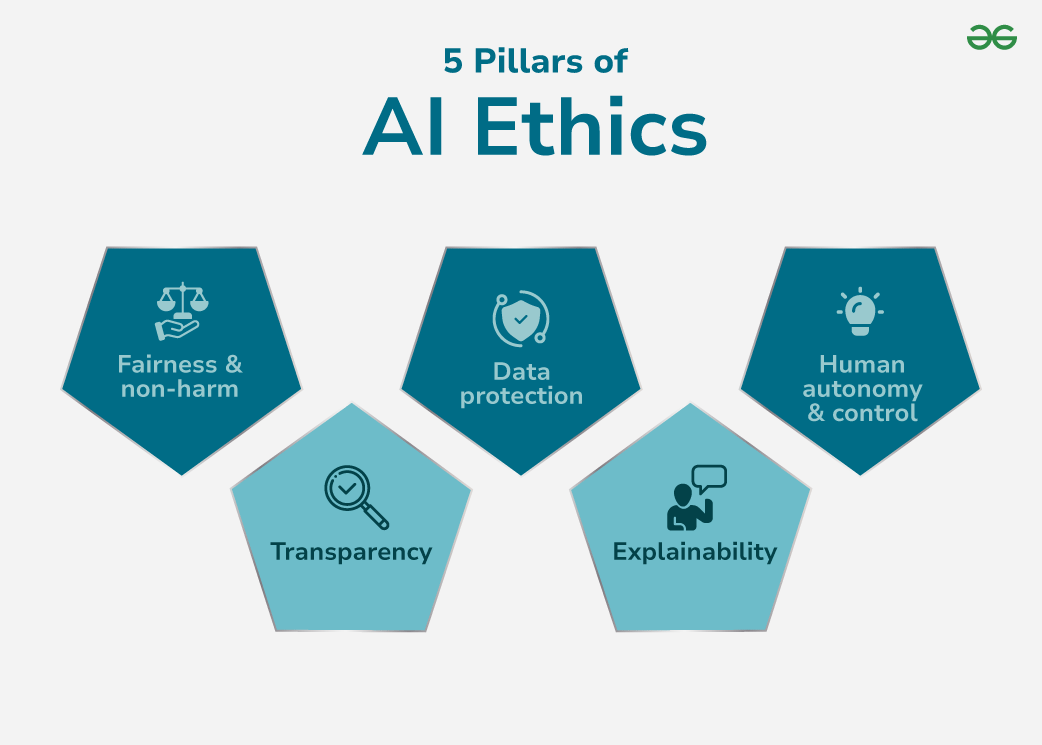
Artificial Intelligence (AI) has rapidly become a powerful tool in various industries, from healthcare to finance to transportation. While AI has the potential to revolutionize how we live and work, it also brings up important ethical considerations that must be addressed. In this article, we will explore the risks and biases associated with AI, as well as potential solutions to ensure that AI is developed and used responsibly.
Risks of AI
With the increasing use of AI in decision-making processes, there are several risks that need to be considered. One of the primary concerns is the potential for AI algorithms to perpetuate existing biases and discrimination. AI systems are only as good as the data they are trained on, and if this data is biased or flawed, it can lead to discriminatory outcomes. For example, an AI system used in the recruitment process may inadvertently favor candidates of a certain gender or race based on historical data.
Another risk of AI is the potential for job displacement. As AI continues to automate tasks that were previously done by humans, there is a real concern that many workers will be left without employment. This can lead to socioeconomic disparities and a loss of social cohesion.
Bias in AI
Bias in AI can manifest in various ways, from implicit biases in the data used to train AI models to conscious decisions made by developers. For example, if a facial recognition system is trained on a dataset that is predominantly male and white, it may be less accurate when identifying individuals who are female or of a different race. This can have serious consequences, such as misidentifying suspects in criminal investigations or denying access to certain services based on flawed assumptions.
It is crucial for developers and organizations to be aware of these biases and take steps to mitigate them. This could involve diversifying the datasets used to train AI models, conducting bias audits of AI systems, and implementing fairness metrics to evaluate the impact of AI on different demographic groups.
Solutions for Ethical AI
While there are inherent risks and biases in AI, there are also several solutions that can help ensure that AI is developed and used ethically. One approach is to involve diverse stakeholders in the development and deployment of AI systems, including ethicists, sociologists, and members of affected communities. This can help to identify potential biases and ethical concerns before they become systemic issues.
Transparency is another key principle of ethical AI. Developers should be transparent about how AI systems make decisions and be able to explain their reasoning to stakeholders. This can help build trust and accountability in AI systems, as users will have a better understanding of how decisions are being made.
Finally, ongoing monitoring and evaluation of AI systems are essential to ensure that they are working as intended and not inadvertently causing harm. This could involve regular audits of AI algorithms, feedback from users, and mechanisms for reporting and addressing bias and discrimination.
Conclusion
As AI continues to advance and become more integrated into our daily lives, it is crucial that we address the ethical implications of this technology. By acknowledging and mitigating the risks and biases associated with AI, we can ensure that AI is developed and used in a responsible and ethical manner. Through collaboration, transparency, and ongoing evaluation, we can harness the power of AI to benefit society as a whole.