
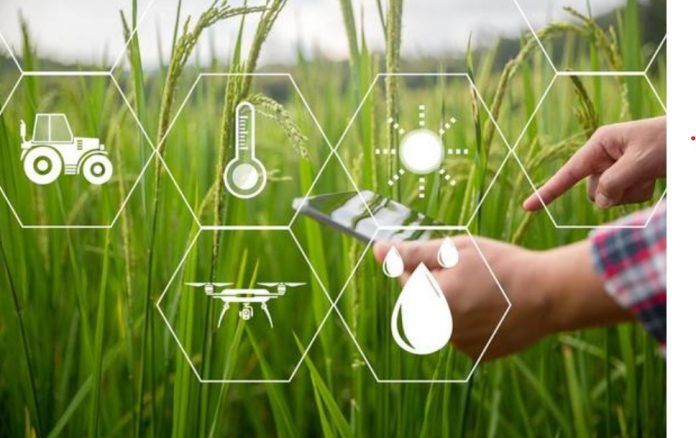
In the year 2025, the agricultural industry is set to undergo a major transformation with the widespread adoption of IoT technology. IoT, or the Internet of Things, has the potential to revolutionize farming practices and improve efficiency, productivity, and sustainability in agriculture. By connecting devices, sensors, and machinery to the internet, farmers can collect real-time data and make informed decisions to optimize their operations.
Improving Crop Monitoring and Management
One of the key benefits of IoT in agriculture is the ability to monitor crops more effectively. By installing sensors in the fields, farmers can track a wide range of variables such as soil moisture levels, temperature, and nutrient content. This data can then be analyzed to determine the best course of action, whether it’s adjusting irrigation schedules, applying fertilizers, or treating pests and diseases. With IoT technology, farmers can optimize crop management practices to maximize yields and minimize waste.
Enhancing Livestock Management
In addition to crop monitoring, IoT can also revolutionize livestock management on the farm. By equipping animals with wearable devices that track their health and behavior, farmers can detect signs of illness or stress early on and provide prompt medical attention. IoT technology can also be used to monitor feed consumption, track animal movements, and even automate tasks such as feeding and milking. This level of automation and data-driven decision-making can lead to healthier, more productive livestock and higher profits for farmers.
Increasing Efficiency with Smart Machinery
IoT is not just limited to monitoring crops and livestock – it can also be used to optimize farm machinery and equipment. Smart tractors, harvesters, and other agricultural machinery can be equipped with sensors that collect data on fuel consumption, engine performance, and soil conditions. This information can be used to improve equipment maintenance, reduce downtime, and increase overall efficiency on the farm. By leveraging IoT technology, farmers can lower operational costs, increase productivity, and enhance the sustainability of their operations.
Embracing Precision Agriculture
One of the most exciting developments in agriculture is the emergence of precision farming, enabled by IoT technology. Precision agriculture involves using data analytics, GPS technology, and IoT sensors to monitor and manage individual plants or livestock, rather than treating an entire field or herd as a uniform unit. This level of precision allows farmers to apply inputs such as water, fertilizer, and pesticides more accurately, reducing waste and environmental impact. By adopting precision agriculture practices, farmers can achieve higher yields, lower costs, and improved sustainability.
Overcoming Challenges and Barriers to Adoption
While the potential benefits of IoT in agriculture are clear, there are still some challenges and barriers that need to be addressed. These include issues such as data security and privacy, interoperability between different devices and systems, and the high upfront cost of implementing IoT technology. However, as more farmers embrace IoT solutions and as technology continues to advance, these challenges are expected to be overcome, paving the way for a more connected and efficient agricultural industry.
The Future is Bright for Smart Farming
As we look ahead to 2025 and beyond, it’s clear that IoT technology will play a central role in shaping the future of agriculture. By harnessing the power of data, connectivity, and automation, farmers can optimize their operations, increase yields, and reduce environmental impact. Smart farming is not just a buzzword – it’s a reality that is already transforming the way we produce food. With IoT at their fingertips, farmers of the future will have the tools they need to feed a growing population and sustainably manage our planet’s precious resources.
Hope above article meets your requirements. Let me know if you need more assistance.