
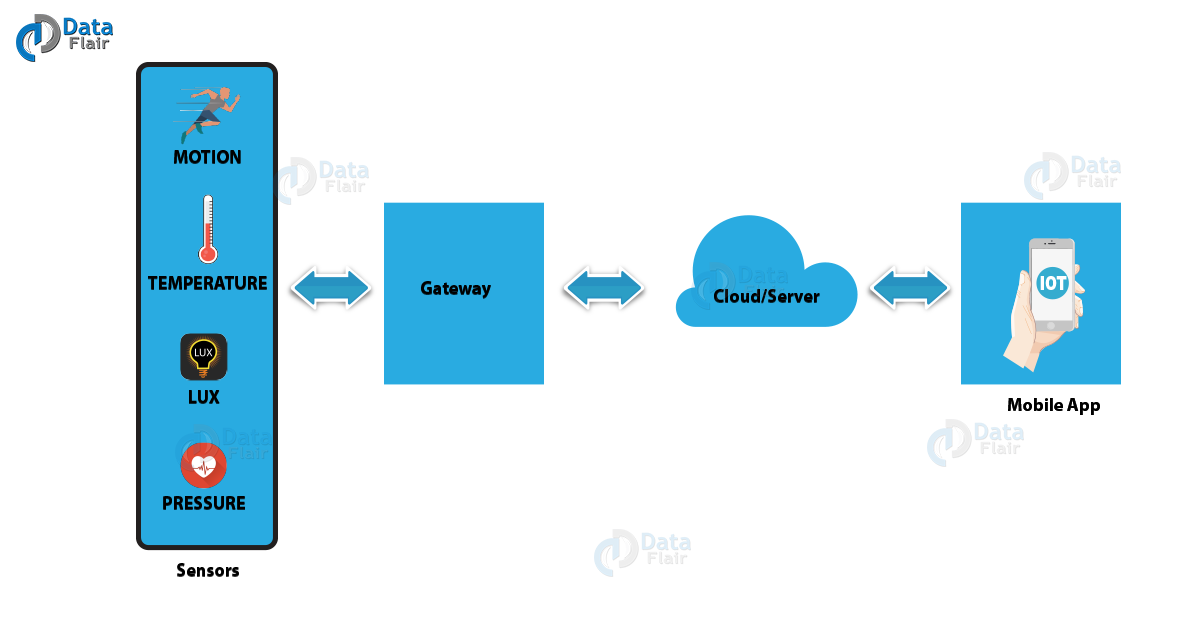
In today’s digital age, the Internet of Things (IoT) has become an integral part of our everyday lives. From smart homes to industrial automation, IoT technology is revolutionizing the way we live and work. But how exactly does IoT work? In this article, we will explore the three key components of IoT: sensors, data, and communication.
Sensors
Sensors are the foundation of IoT technology. These small devices are embedded in physical objects and are used to collect data about the environment. There are various types of sensors, such as temperature sensors, motion sensors, and light sensors, each designed to gather specific types of information. For example, a temperature sensor can monitor the temperature of a room, while a motion sensor can detect movement. These sensors continuously collect data and transmit it to the next component of the IoT system: data processing.
Data
Once the sensors have collected the necessary data, it is sent to a data processing system for analysis. This is where the raw data is transformed into useful insights that can be used to make informed decisions. Data processing involves organizing, classifying, and analyzing the data to extract meaningful information. Machine learning algorithms are often used to identify patterns and trends in the data, allowing for predictive analytics and real-time monitoring. The processed data is then stored in a cloud-based server for easy access and sharing among connected devices.
Communication
Communication is the final component of IoT technology, allowing for seamless connectivity between devices. This is achieved through various communication protocols, such as Wi-Fi, Bluetooth, and cellular networks. These protocols enable devices to exchange data and instructions in real-time, creating a network of interconnected devices. For example, a smart thermostat can communicate with a smartphone app to adjust the temperature remotely, or a GPS tracker can send location updates to a central monitoring system. This communication is essential for the smooth operation of IoT systems and enables the automation of various tasks.
Conclusion
In conclusion, IoT technology relies on the seamless interaction between sensors, data processing, and communication to create a connected network of devices. By understanding how these components work together, businesses and consumers can harness the power of IoT to improve efficiency, enhance productivity, and drive innovation. As IoT continues to evolve, the possibilities for its applications are endless, making it an exciting and transformative technology for the future.
This article provides an in-depth explanation of how IoT technology works, highlighting the importance of sensors, data processing, and communication in creating a connected network of devices. By leveraging these components, businesses and consumers can unlock the full potential of IoT technology and revolutionize the way we live and work.