
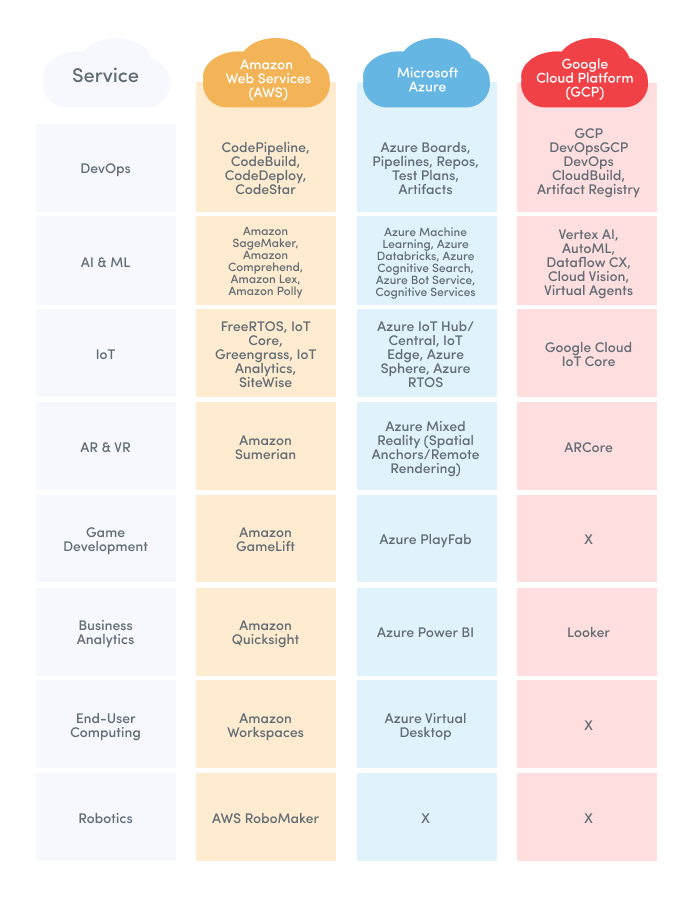
In today’s digital age, businesses are increasingly relying on cloud platforms to store, manage, and analyze their data. The three major players in the cloud computing industry are Amazon Web Services (AWS), Microsoft Azure, and Google Cloud Platform. Each platform offers a unique set of features and benefits, making it essential for businesses to compare and contrast their offerings before making a decision. In this article, we will delve into the key differences between AWS, Azure, and Google Cloud, helping you determine which platform is best suited for your needs.
Amazon Web Services (AWS)
As the market leader in cloud computing, AWS is known for its robust infrastructure and wide range of services. With a strong global presence and extensive network of data centers, AWS offers scalability, reliability, and flexibility to businesses of all sizes. Some of the key features of AWS include:
Compute power with Amazon EC2
Storage options with Amazon S3
Database services with Amazon RDS
Networking solutions with Amazon VPC
Whether you are looking to build web applications, store large datasets, or run complex analytics, AWS provides the tools and resources needed to support your business goals. Additionally, AWS offers a pay-as-you-go pricing model, making it cost-effective for businesses to scale their operations without upfront investments.
Microsoft Azure
Microsoft Azure is another top cloud platform that caters to a diverse range of industries and use cases. With a strong focus on hybrid cloud solutions and enterprise integration, Azure offers seamless compatibility with Microsoft products and services. Some of the key features of Azure include:
Virtual machines with Azure VMs
Storage services with Azure Blob Storage
Machine learning capabilities with Azure Machine Learning
IoT solutions with Azure IoT Hub
With a wide array of tools and services, Azure enables businesses to accelerate their digital transformation initiatives and unlock new opportunities for innovation. Whether you are looking to build AI-powered applications, deploy IoT solutions, or leverage big data analytics, Azure provides the platform to support your technical requirements.
Google Cloud Platform
Google Cloud Platform (GCP) is known for its cutting-edge technologies and focus on data analytics and machine learning. With powerful infrastructure and advanced data processing capabilities, GCP offers high-performance computing and scalable solutions for businesses of all sizes. Some of the key features of Google Cloud Platform include:
Google Cloud Compute Engine for virtual machines
Google Cloud Storage for scalable storage options
BigQuery for real-time analytics and data processing
Cloud Machine Learning Engine for building and deploying ML models
Google Cloud Platform is ideal for businesses looking to harness the power of AI and analytics to drive business growth and innovation. With integrated data management tools and advanced machine learning capabilities, GCP enables businesses to extract valuable insights from their data and improve decision-making processes.
Choosing the Right Cloud Platform
When comparing AWS, Azure, and Google Cloud, it is essential to consider your specific business requirements and technical objectives. While AWS is known for its extensive range of services and global reach, Azure offers seamless integration with Microsoft products and services, and Google Cloud Platform provides advanced data analytics and machine learning capabilities.
Ultimately, the right cloud platform for your business will depend on factors such as scalability, reliability, pricing, and support. By evaluating the key features and benefits of each platform, you can make an informed decision that aligns with your business goals and technical needs.
Conclusion
In conclusion, AWS, Azure, and Google Cloud are three of the top cloud platforms in the tech industry, each offering unique features and benefits for businesses seeking to leverage the power of cloud computing. By comparing the strengths and weaknesses of each platform, you can determine which one best aligns with your business objectives and technical requirements. Whether you are looking for scalability, reliability, or advanced data analytics capabilities, there is a cloud platform that can meet your needs and drive your business forward in the digital age.