
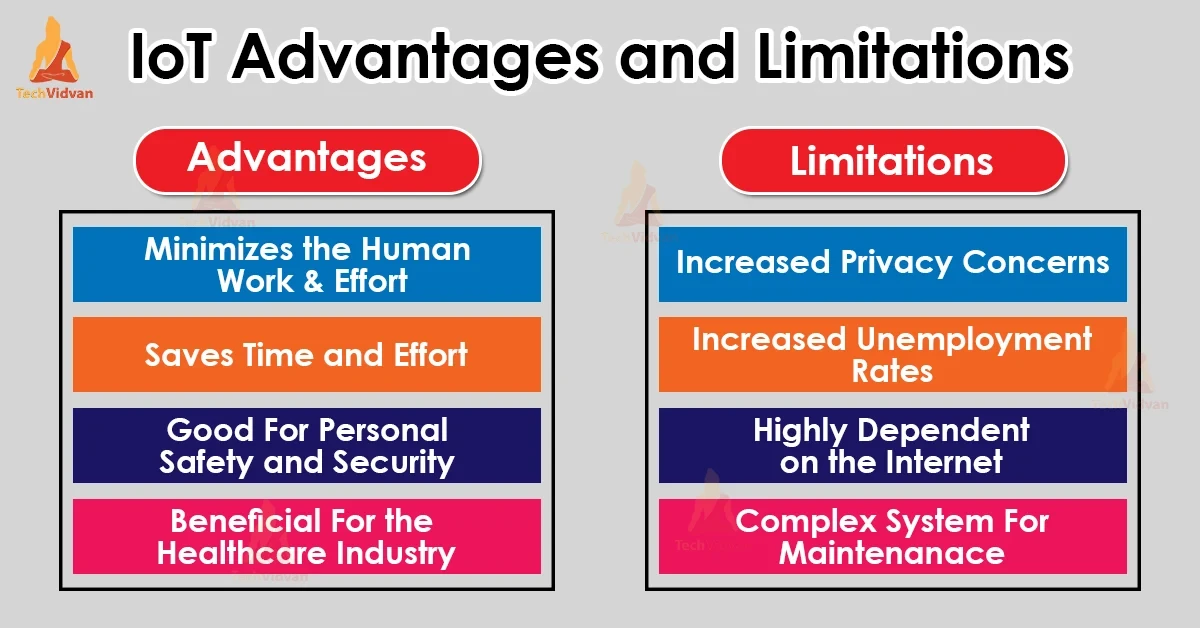
Internet of Things (IoT) technology has revolutionized the way we live, work, and play. From smart homes to connected cars, IoT has become an integral part of our daily lives. However, like any other technology, IoT comes with its own set of pros and cons. In this article, we will explore the advantages and disadvantages of IoT technology in everyday life.
Pros of IoT Technology
1. Convenience
One of the biggest advantages of IoT technology is the convenience it brings to our lives. With IoT devices, we can control our homes, cars, and even appliances with a click of a button or a voice command. This level of convenience makes our daily tasks easier and more efficient.
2. Efficiency
IoT technology helps us save time and energy by automating various tasks. For example, smart thermostats can adjust the temperature of our homes based on our preferences, and smart appliances can optimize energy usage to save on utility bills.
3. Improved Communication
IoT devices enable seamless communication between people, devices, and systems. This connectivity allows us to stay connected with our loved ones, monitor our homes remotely, and even track our fitness goals in real-time.
4. Enhanced Security
IoT technology can improve the security of our homes and personal information. From smart doorbells with built-in cameras to biometric authentication on our devices, IoT devices offer an extra layer of protection to keep us safe.
Cons of IoT Technology
1. Privacy Concerns
One of the biggest drawbacks of IoT technology is the potential invasion of privacy. With the amount of data being collected by IoT devices, there is a risk of our personal information being hacked or misused by third parties.
2. Security Vulnerabilities
IoT devices are often connected to the internet, making them susceptible to cyber attacks. Hackers can exploit security vulnerabilities in IoT devices to gain access to our personal information, disrupt our daily routines, or even take control of our devices.
3. Compatibility Issues
As IoT technology continues to evolve, compatibility issues may arise. Different IoT devices may use different protocols or standards, making it difficult to connect them to a single network or control them using a single interface.
4. Cost
IoT technology can be expensive to implement, especially for individuals or households on a tight budget. The cost of purchasing and installing IoT devices, as well as the cost of maintaining and upgrading them, can add up over time.
Conclusion
While IoT technology offers numerous benefits in terms of convenience, efficiency, communication, and security, it also comes with its fair share of challenges, such as privacy concerns, security vulnerabilities, compatibility issues, and cost. As we continue to embrace IoT technology in our everyday lives, it is essential to be aware of the pros and cons and take appropriate precautions to ensure a safe and seamless IoT experience.